
Service 01
Terrace Waterproofing
Solutions for exposed terraces, vulnerable joints, and roof surfaces.
- Surface preparation and joint detailing
- Waterproofing layer with suitable protection
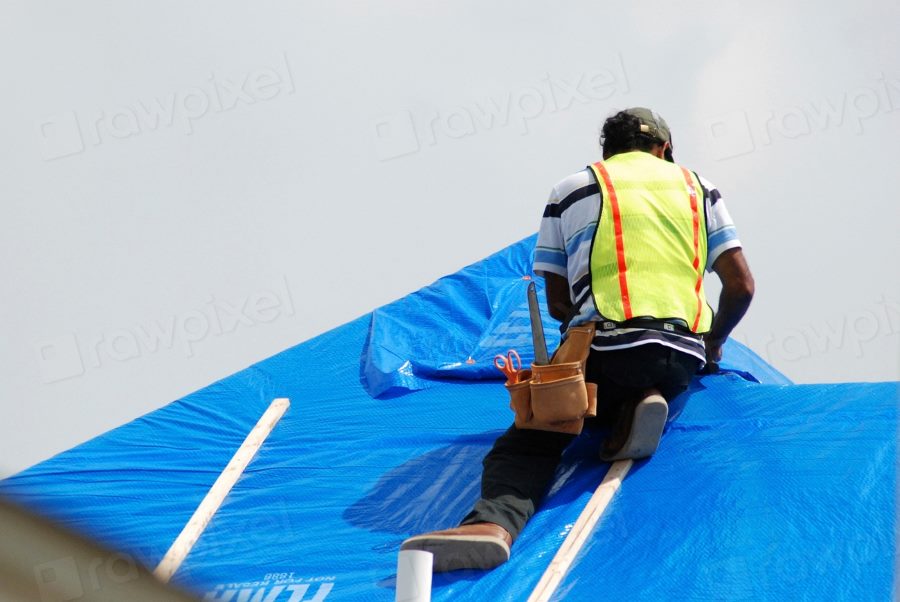
Expert Waterproofing Solutions for Homes, Apartments and Commercial Buildings.
Explore waterproofing services for different building surfaces and moisture-related problems. Service availability should be confirmed before publication.
Service 01
Solutions for exposed terraces, vulnerable joints, and roof surfaces.
Service 02
Solutions for roof leakage, cracks, and damaged waterproofing layers.
Service 03
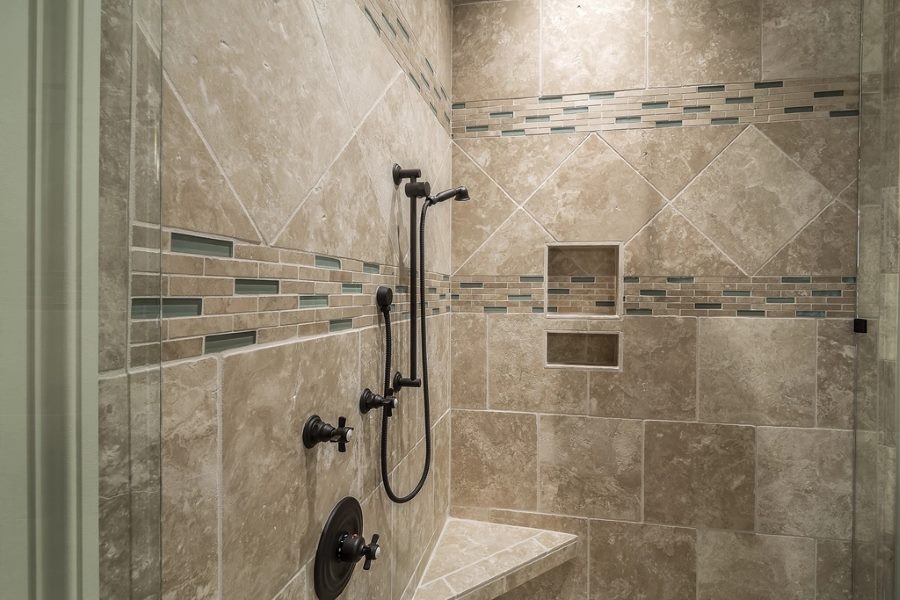
Protection for bathroom floors, shower areas, and wet zones.
Service 04
Treatment for rainwater penetration through vulnerable external surfaces.
Service 05
Solutions for below-ground walls, joints, and moisture entry points.
Service 06
Waterproofing for exposed slabs above parking or occupied areas.
Service 07
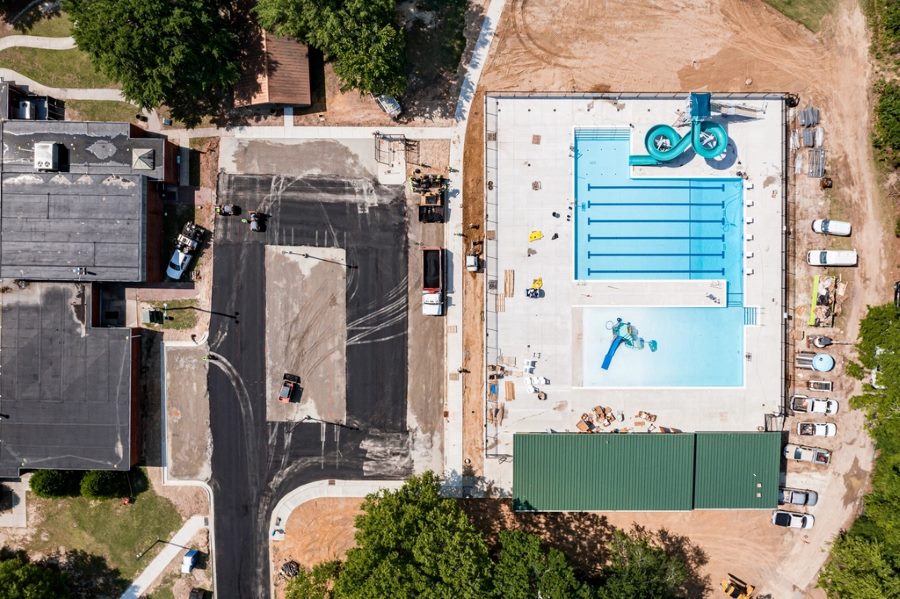
Suitable waterproofing systems for pool surfaces and joints.
Service 08
Floor coating solutions for suitable residential, commercial, and industrial applications.
We combine the right materials with skilled application and rigorous quality checks, so your property stays protected for years.
Explore examples of waterproofing applications across different building surfaces and property types.
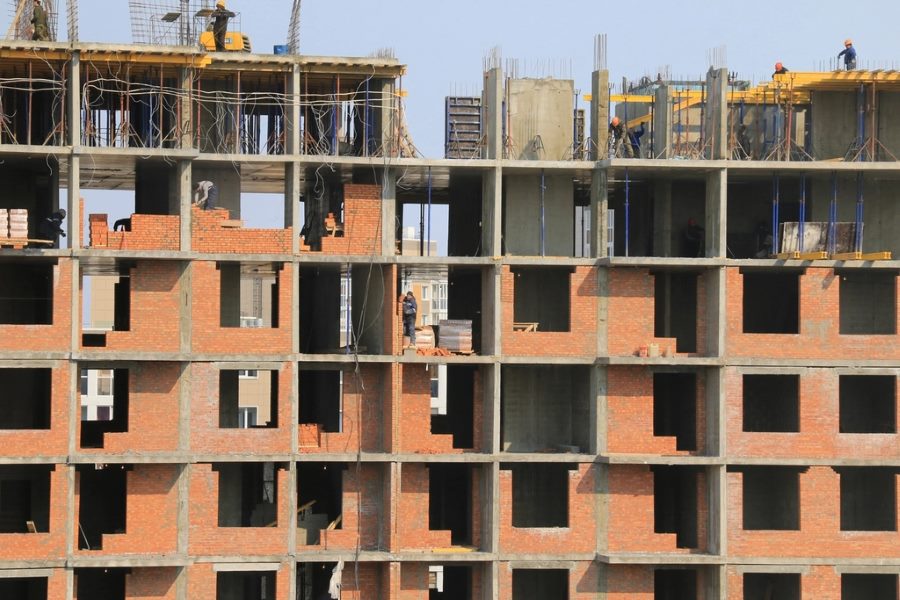
Design placeholders: these cards illustrate the intended gallery layout. They are not completed Buildcare projects — replace with verified Buildcare project photographs before publication.
Each problem below can have more than one underlying cause. A site inspection establishes which repair method is appropriate.
Cracks, damaged waterproofing layers, weak joints, or drainage problems may allow water penetration.
Dampness may result from rainwater penetration, plumbing leaks, rising moisture, or condensation.
Water may pass through joints, damaged seals, plumbing defects, or a failed waterproofing layer.
Water entry below ground may require investigation of joints, drainage, walls, and groundwater conditions.
The right system is selected after the site has been assessed — not applied by default.
Brush, roller or spray-applied films that form a continuous, seamless waterproof layer over prepared substrates.
Cement-based coatings used on concrete and masonry surfaces, including damp and wet areas.
Preformed membranes applied to prepared surfaces, detailed at edges, joints and terminations.
Sealing and filling of assessed cracks where the movement and cause of the crack are understood.
Protective layers, sealers and finishing coats that extend the life of the waterproofing system.
The correct system depends on the substrate, the level of water exposure, the leakage source, the surface preparation required, the product specifications and the site conditions. A system that suits one surface is not automatically suitable for another.
Each property type has different exposure, access and finish requirements, so the treatment is specified per site.
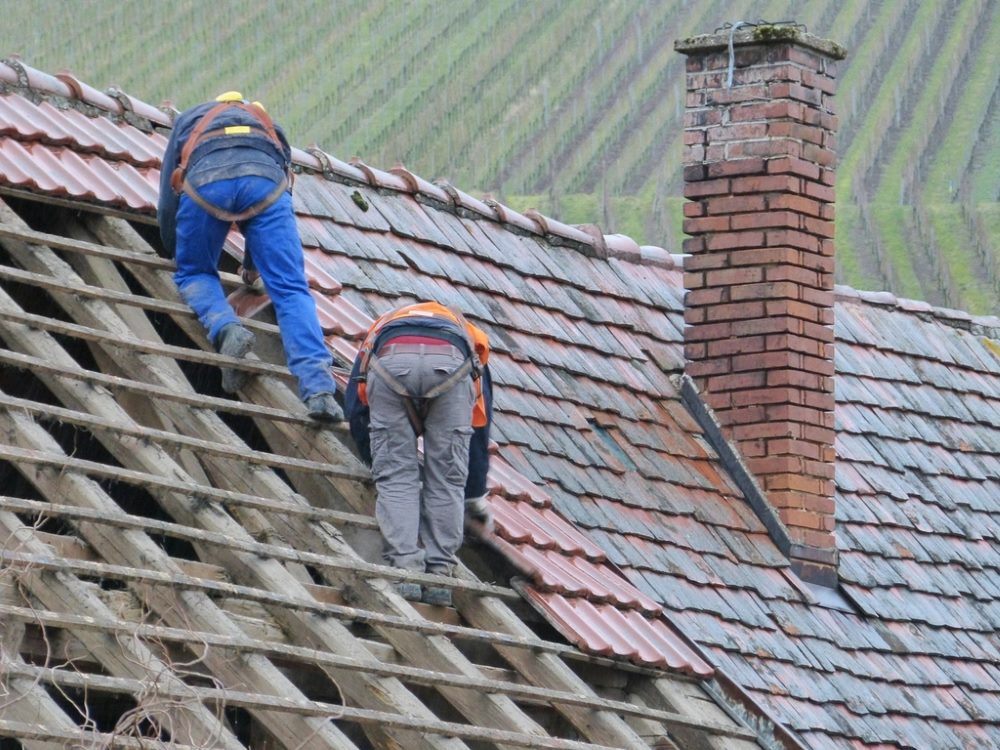
Houses, villas, apartments and multi-storey homes requiring protection from leaks and dampness.
Offices, retail buildings, hotels and other commercial spaces where downtime affects operations.
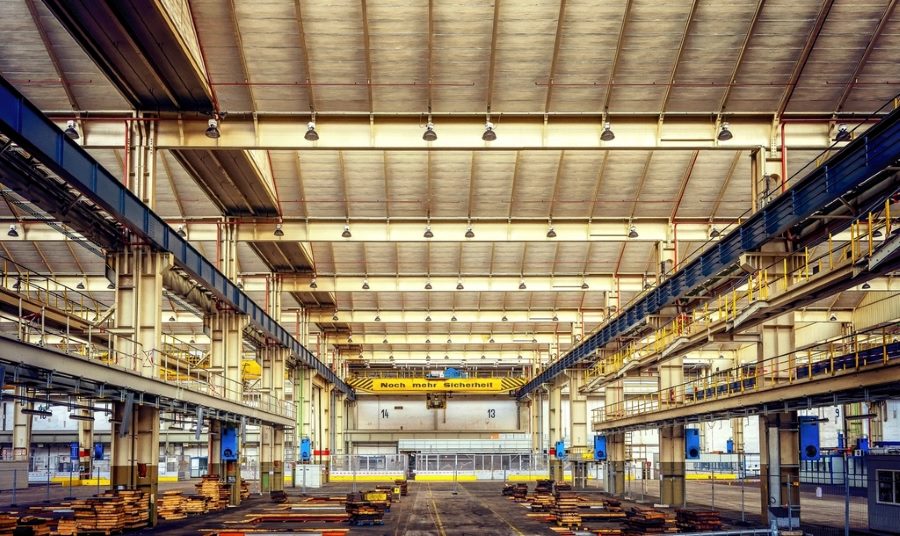
Eligible factories, warehouses and industrial facilities with demanding floor and exposure conditions.
Straight answers about services, methods, timelines and coverage. Where an answer depends on site conditions, we say so rather than guess.
Ask Your QuestionWaterproofing services involve protecting a structure from water entering through its surfaces. This usually includes assessing the affected area and the likely source of water entry, preparing the surface, and applying a suitable waterproofing system to terraces, roofs, bathrooms, walls, basements and other exposed surfaces. The appropriate system depends on the substrate, the level of exposure and the site conditions, so the treatment for one surface is not automatically suitable for another.
It depends on where the water is entering and the condition of the affected surface. A site inspection helps establish whether the source is a terrace, roof, bathroom, wall joint, plumbing line, or a below-ground area, and whether the problem is a local defect or a wider failure of the original system. The recommended service is then chosen for that specific situation rather than applying one standard treatment to every property.
Common causes include cracked or worn waterproofing layers, failed or open joints, blocked drainage outlets, ponding water on the slab, and leakage from services, tanks or plumbing routed over the terrace. In some buildings the water seen inside is actually passing through a floor or wall above. The actual cause needs to be confirmed on site before a repair method is recommended.
Repair usually involves removing or repairing the damaged area, treating the cracks and joints, allowing the substrate to dry adequately, and re-applying a suitable waterproofing system, often finished with a protective screed or tiles where specified. Where the source is elsewhere — for example a plumbing line or a tank above — that source has to be addressed as well, because treating only the visible surface usually leads to the problem returning.
Interior dampness can result from rainwater penetration through external surfaces, plumbing leaks, rising moisture from the ground, condensation, or leakage from the floor or unit above. The pattern and position of the damp patch often helps to narrow it down, but confirming the source usually requires inspection from both sides of the affected wall or slab.
Exterior wall treatments help reduce rainwater penetration through vulnerable external surfaces when they are applied correctly to a suitable substrate, and they can also protect the wall from further weather-related deterioration. They will not resolve dampness caused by internal plumbing leaks, condensation or structural movement, so identifying the source first remains essential.
Typically the floor and the wet-zone walls are cleaned and prepared, joints and corners are treated, a suitable waterproofing system is applied in the coats specified by the product, and a bond coat or screed is laid before finishing with tiles. The exact sequence depends on the system selected and the manufacturer's instructions, which are followed for the conditions on site.
In some cases a waterproofing system can be applied over existing tiles if the tiles are sound, the underlying screed is dry and the product is approved for that kind of application. Where tiles are damaged or hollow, the screed beneath is wet, or the leak is coming from a plumbing line, removal is generally necessary for a reliable result. This is confirmed during inspection.
A terrace is a generally accessible, exposed horizontal surface, often used for services, utilities or recreation, and it receives direct rain, sunlight and standing water. A roof may be pitched, concealed, or part of a structural system with limited or no access, and it may be a structural slab or a sloping element. Both need correct preparation, detailing at edges and joints, and a system matched to the exposure and the way water is managed on that surface.
Cost depends on the area to be treated, the system selected, the condition of the substrate, site access, and how much preparation or repair is required beforehand. Because these factors differ from property to property, a reliable figure can only be prepared after an inspection. A written scope and quotation are then shared so the price can be compared on the same basis.
The duration depends on the system, the area, the weather and the preparation required. Some systems need curing time between coats, and finishing works such as screed, tiling or painting add to the overall schedule. An indicative timeline for the proposed scope is included in the quotation after inspection.
Service life depends on the system selected, the exposure, the drainage condition, the quality of surface preparation and ongoing maintenance. Manufacturers state expected performance for their products under specified conditions, and any applicable warranty terms are communicated as part of the written scope for the particular site.
Recurring ceiling leakage usually points to an unresolved source, such as a terrace, bathroom or services above. Treating the ceiling or the surface below without addressing that source generally results in the problem returning. The leak source is investigated first, and the correct repair is then specified for that location.
Basement waterproofing protects below-ground walls, floors and joints against water ingress from soil, groundwater and rain. Depending on site conditions and the water pressure involved, this can involve external or internal tanking, crystalline or cementitious coatings, joint sealants, and drainage or pumping arrangements. Because groundwater conditions vary, the approach is selected after investigation.
No. Grouting is generally considered for cracks that have been assessed as suitable and where the cause and behaviour of the crack movement are understood. It is not a substitute for addressing the source of water entry, and wide, moving, or differently-angled cracks usually require other measures such as joint detailing, membrane work or structural assessment.
Waterproofing in new construction is a preventive measure, and it is generally considered more practical than repairing leaks once a building is occupied. It is usually specified by the architect or structural consultant and applied to terraces, wet areas and below-ground elements as part of the building schedule, ideally before finishes are laid.
Commercial and industrial work forms part of the proposed service range, subject to confirmation of eligibility, site access, project scale and the specific system required. Because industrial exposure and substrate conditions vary widely, share the requirement and the site details so the work that can be undertaken can be confirmed.
Hyderabad and the wider Telangana region are the primary service areas. Andhra Pradesh is an additional target market, subject to confirmed service availability for the specific location. Share your site location with us and we will confirm whether the work can be scheduled there.